The sweet peril: Post-meal blood sugar spikes linked to higher Alzheimer’s risk
08/22/2026 / By Ava Grace

- A study finds strong genetic link between sharp rises in blood sugar after meals and 69% higher risk of developing Alzheimer’s disease.
- The research focused on genetic variants that cause high post-meal glucose, suggesting a potential cause-and-effect relationship beyond simple correlation.
- The damaging mechanism is unclear, as these blood sugar spikes were not linked to visible brain shrinkage, pointing to subtler processes like inflammation or vascular damage.
- The findings shift the focus of prevention toward maintaining stable blood sugar through diet for the general population, long before diabetes is diagnosed.
- This adds a urgent, genetic argument for dietary changes, framing refined sugars and carbs not just as empty calories but as a potential neurotoxin impacting long-term brain health.
In a finding that casts a stark new light on the silent dangers of the modern diet, a team of British researchers has uncovered a potent genetic link between sharp rises in blood sugar after eating and a significantly increased risk of developing Alzheimer’s disease. The study, analyzing data from hundreds of thousands of individuals, suggests that a predisposition to these common glucose spikes is associated with a staggering 69% higher likelihood of developing the most common form of dementia. This revelation arrives at a critical juncture, as public health officials grapple with an impending Alzheimer’s crisis and ongoing debates about nutritional guidance, forcing a urgent reconsideration of how daily eating habits may be shaping long-term brain health.
For years, the medical community has observed a troubling correlation between metabolic disorders and cognitive decline. Conditions like Type 2 diabetes and insulin resistance have been consistently flagged as risk factors for dementia. However, the precise biological mechanisms connecting blood sugar and brain degeneration have remained frustratingly opaque. This research, spearheaded by epidemiologists at the University of Liverpool, cuts directly to the heart of this mystery by shifting focus from chronic, overall high blood sugar to the acute, repeated spikes that follow a meal.
A genetic lens on a dietary danger
The study employed a sophisticated analytical technique known as Mendelian randomization. Instead of merely tracking participants’ blood sugar levels over time, the researchers examined inherited genetic variants known to predispose individuals to higher blood glucose levels in the two-hour window after eating, a state known as postprandial hyperglycemia. By focusing on these fixed genetic blueprints, the method provides stronger evidence for a potential cause-and-effect relationship.
The team analyzed genetic data from 357,883 participants in the U.K. Biobank. The results were striking and specific. While genetic predispositions to high fasting blood sugar or insulin resistance showed no significant link to Alzheimer’s, the genes associated with sharp rises in glucose after eating told a different story. Individuals carrying these variants faced a 69% increased risk of the disease.
The elusive “why”
Perhaps equally significant were the findings the study did not produce. The researchers found no association between the genetic markers for blood sugar spikes and physical brain changes commonly seen in dementia, such as brain shrinkage. This crucial detail suggests the pathway linking post-meal glucose spikes to Alzheimer’s may operate through more subtle, yet-to-be-discovered biological processes—possibly involving inflammation, vascular damage or direct toxic effects on neurons—rather than through gross, observable brain atrophy.
This distinction is vital. It implies that the danger may be the cumulative effect of thousands of dietary insults over a lifetime. Each meal rich in refined carbohydrates and added sugars could be triggering a minor inflammatory cascade that, over decades, erodes the brain’s resilience.
Caveats and the path forward
As with any single study, important caveats exist. The researchers noted they were unable to replicate the 69% increased risk finding in a second, older genetic dataset. Furthermore, this particular analysis was confined to individuals of White British ancestry. This lack of diversity is a significant shortcoming. Senior author Vicky Garfield stated that replicating these results in other populations is the essential next step.
If validated, however, the implications for prevention are profound. It shifts the focus of risk management from merely diagnosing diabetes to actively promoting stable blood sugar responses in the entire population, long before any disease is present.
Historical context: A gathering storm
This research arrives amid a sobering historical backdrop. Alzheimer’s disease is already a defining public health challenge, currently affecting one in ten Americans over 65. With an aging population, projections suggest the number of individuals living with the disease could nearly triple by 2050, approaching 16 million in the U.S. alone.
Concurrently, diets high in processed foods and added sugars have become commonplace. The research adds a powerful, genetically grounded argument to the case for stricter dietary guidance. It moves the conversation beyond calories and weight management, framing blood sugar stability as a direct pillar of brain health preservation.
Practical implications for today
While the science continues to evolve, the practical advice for individuals seeking to protect their cognitive health is clear and aligns with existing wisdom for metabolic wellness. Nutrition experts point to actionable strategies to blunt post-meal glucose spikes. These include prioritizing whole foods over refined grains and processed snacks, balancing carbohydrates with adequate protein and fiber at every meal and incorporating light movement, such as a walk, after eating.
“A blood sugar spike is a rapid and significant increase in the level of glucose in the bloodstream, typically occurring after eating a meal high in carbohydrates,” said BrightU.AI’s Enoch. “These spikes are a normal part of digestion but can become problematic if they are too frequent or extreme. Managing these ups and downs is important for maintaining overall metabolic health and preventing long-term complications.”
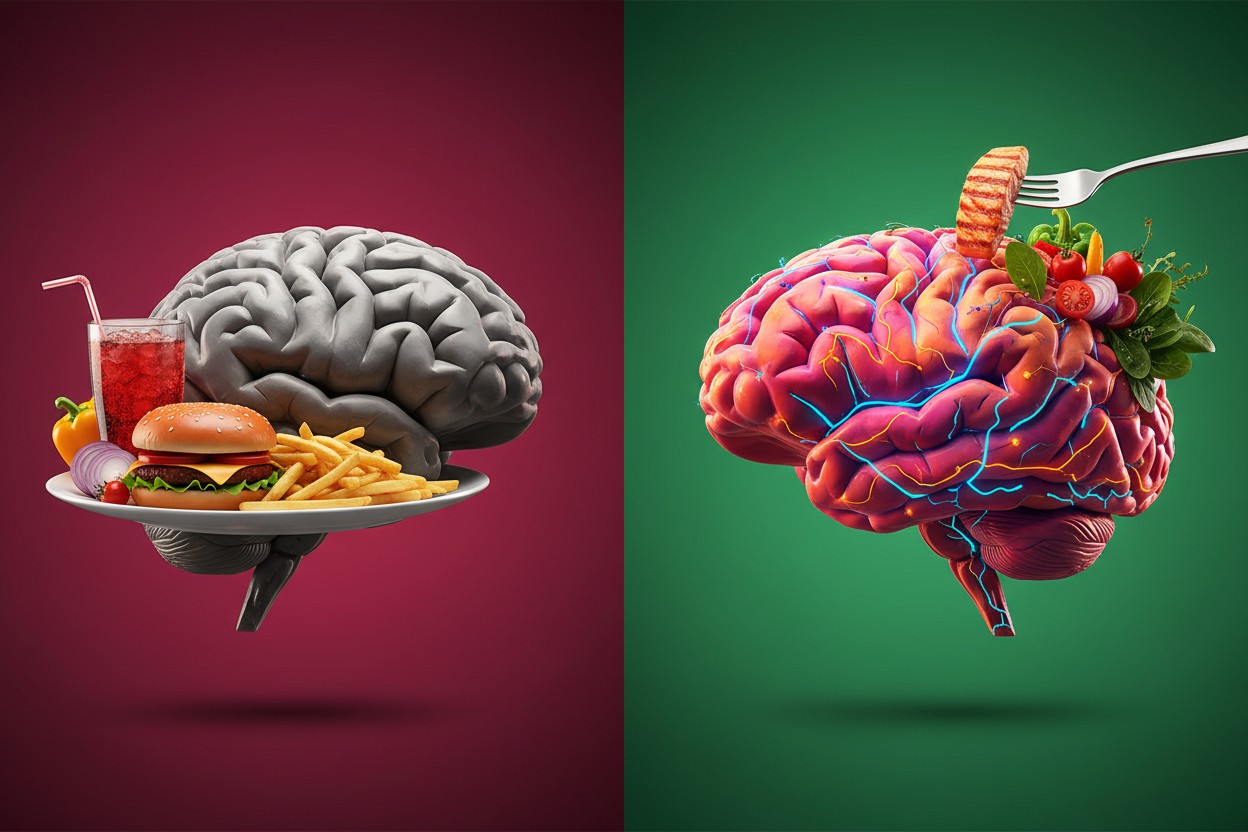
The ultimate conclusion of this investigation is both alarming and empowering. It underscores that Alzheimer’s risk may be influenced by modifiable daily choices long before old age. The finding is a clarion call. It demands a societal shift in how we view sugar and refined carbohydrates—not merely as empty calories, but as a potential neurotoxin whose chronic mismanagement could be fueling the coming tsunami of dementia. The path to prevention, it appears, may indeed be on our plates.
Watch and learn about the book “Sugar Blues” by William Duffy.
This video is from the BrightLearn channel on Brighteon.com.
Sources include:
Submit a correction >>
Tagged Under:
alternative medicine, Alzheimer's, blood sugar spikes, Brain, carbohydrate-rich meals, carbohydrates, diabetes, prevention, remedies, research, study, sugar
This article may contain statements that reflect the opinion of the author
RECENT NEWS & ARTICLES