Scientists uncover single protein that controls brain aging and memory loss
07/01/2026 / By Cassie B.
- KLF4 protein loss in blood-brain barrier cells accelerates brain aging and cognitive decline.
- Researchers found that declining KLF4 triggers blood-brain barrier breakdown, inflammation, and memory loss in mice.
- Endothelial cells losing KLF4 led to early brain damage, leaking vessels, and impaired blood flow.
- Vascular health is linked to 15 to 30 percent of dementia cases, with KLF4 as a key mechanism.
- Until KLF4 drugs exist, exercise, sleep, and a plant-rich diet already protect brain blood vessels.
A protein most people have never heard of may determine how quickly the brain declines with age. Researchers at University Hospitals, Case Western Reserve University and the Louis Stokes Cleveland VA Medical Center say they’ve found it: KLF4, a molecule produced by the cells lining the brain’s blood vessels.
Publishing in the Proceedings of the National Academy of Sciences, the team reports that when those endothelial cells stop making enough KLF4, the blood-brain barrier starts to break down — and cognitive decline follows.
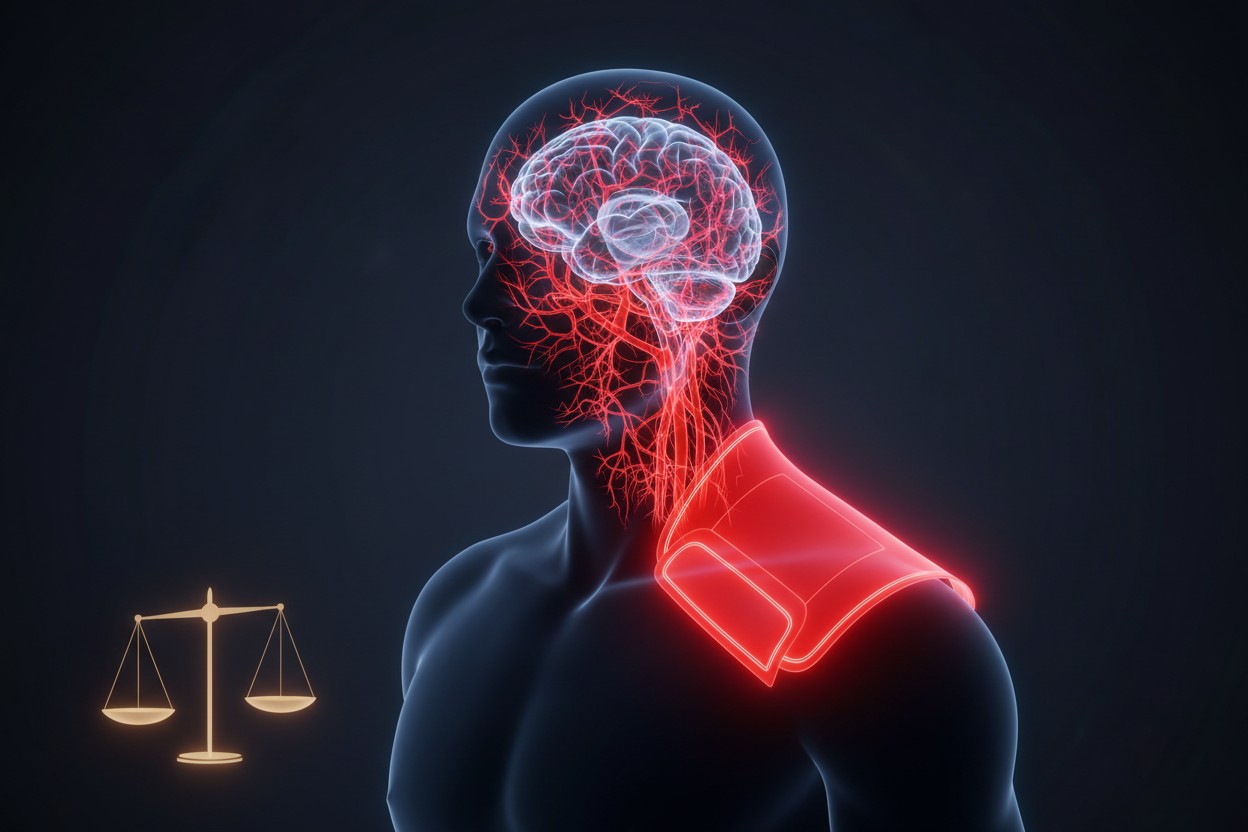
The blood-brain barrier acts as a checkpoint, letting oxygen and nutrients through while keeping out harmful substances and pathogens. It also clears waste and directs blood flow to whichever parts of the brain are active, a job that takes constant energy to sustain.
Dr. Andrew A. Pieper, senior author of the study, explained the findings directly. “At the center of our findings is a protein called KLF4, which is produced by the endothelial cells that line the blood-brain barrier,” Pieper said. “As people age, endothelial cells lose their ability to generate KLF4. We found that accelerating the loss of KLF4 in endothelial cells also accelerated aging-related BBB degradation and cognitive decline.”
How researchers tracked the decline in mice
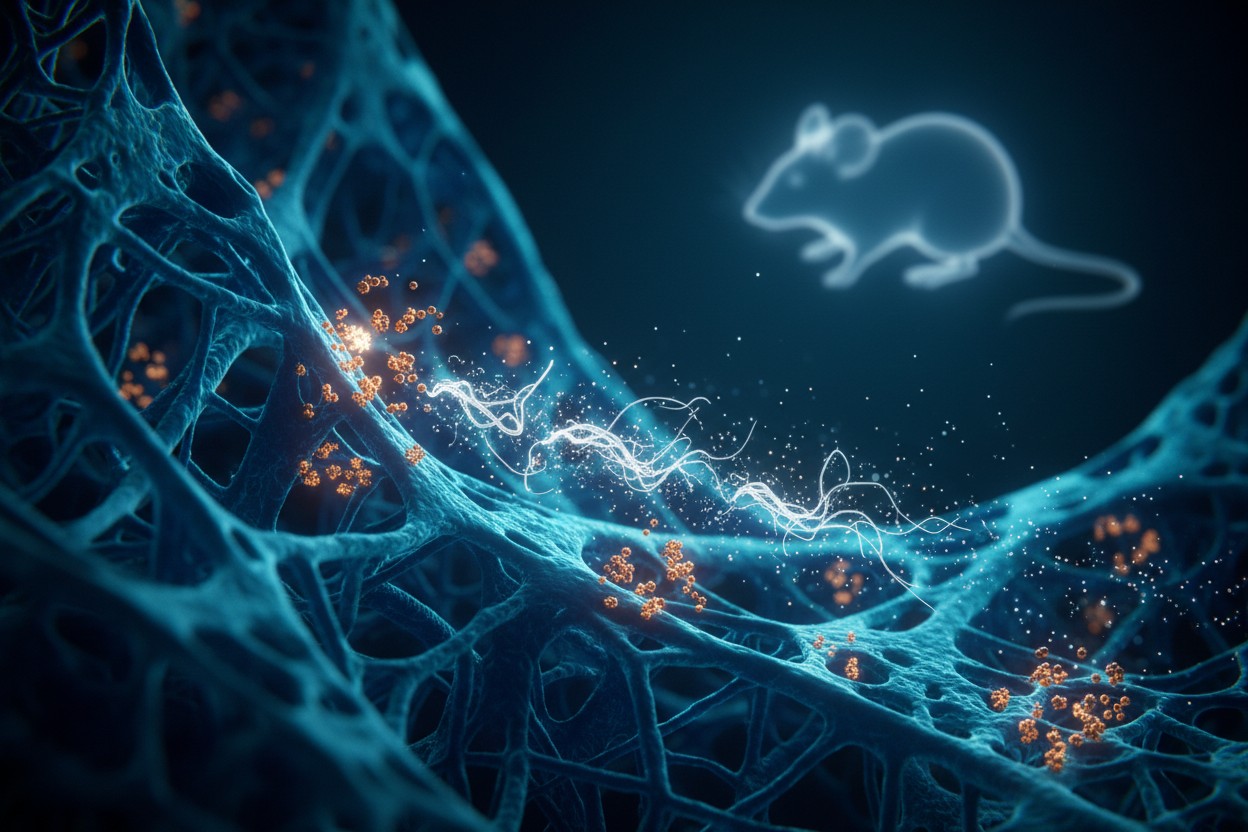
Using two-photon microscopy, the team followed living mice from young adulthood into old age. Mice bred to lack KLF4 showed damage decades ahead of schedule: leaking blood vessels, a drop in small vessels, and blood flow that couldn’t keep pace with brain activity — even in middle age.
The result was oxidative damage, inflammation, nerve damage, anxiety-like behavior and measurable memory loss. Gene activity in young KLF4-deficient mice even resembled that of normal elderly mice.
Pieper was clear about the significance of the finding. “Loss of endothelial cell KLF4 accelerated every key aspect of brain aging that we measured,” he said. “This suggests that therapies designed to preserve or restore KLF4 function in endothelial cells may help prevent age-related deterioration of the blood-brain barrier and the cognitive decline that follows.”
Vascular health’s growing role in dementia risk
Doctors have long suspected that blood vessel damage plays a role in dementia, and researchers put the figure at 15 to 30 percent of cases. This study offers a specific mechanism behind that link, tying one protein’s decline directly to the barrier’s breakdown.
Natural steps to protect your brain’s blood vessels
Any drug that targets KLF4 is likely years away, and history suggests the pharmaceutical industry will be more interested in a patentable pill than in the cheaper, unglamorous habits that already protect blood vessels.
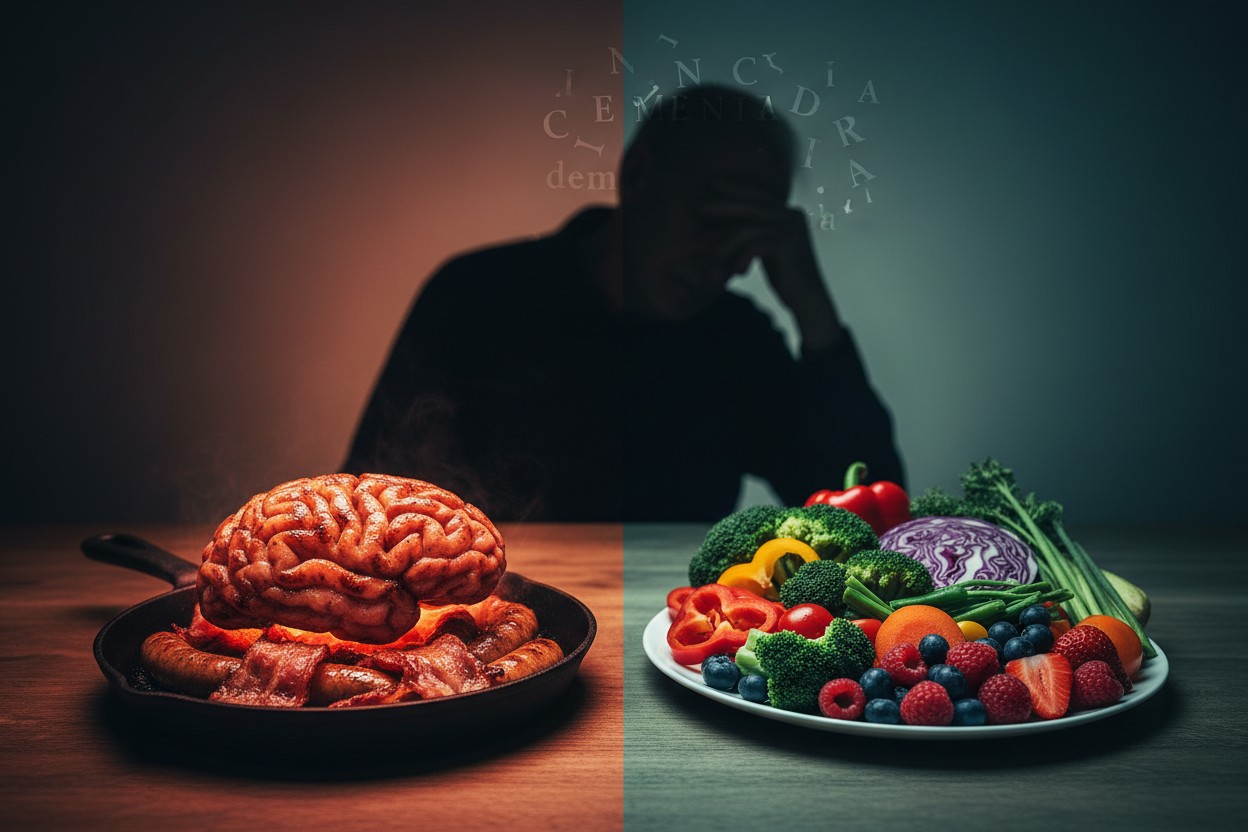
Regular aerobic exercise supports the same endothelial cells that are at the center of this study. Consistent, quality sleep curbs brain inflammation. Keeping blood pressure and blood sugar in check protects vessels throughout the body, brain included. And diets built around vegetables, whole grains, healthy fats and polyphenols — berries and leafy greens among them — are linked to better vascular function.
None of that requires waiting on a lab. Your brain doesn’t age on its own; it ages with your blood vessels. Until science delivers a KLF4 treatment, if it ever does, the exercise, sleep and food choices you make today are already doing that work for free.
Sources for this article include:
Submit a correction >>
Tagged Under:
aging, Alzheimer's, brain aging, brain function, brain health, breakthrough, cognitive decline, dementia, discoveries, health science, longevity, memory loss, research
This article may contain statements that reflect the opinion of the author
RECENT NEWS & ARTICLES