Research Links Ultra-Processed Foods to Health Risks, Prompting Industry Scrutiny
04/12/2026 / By Coco Somers
Introduction
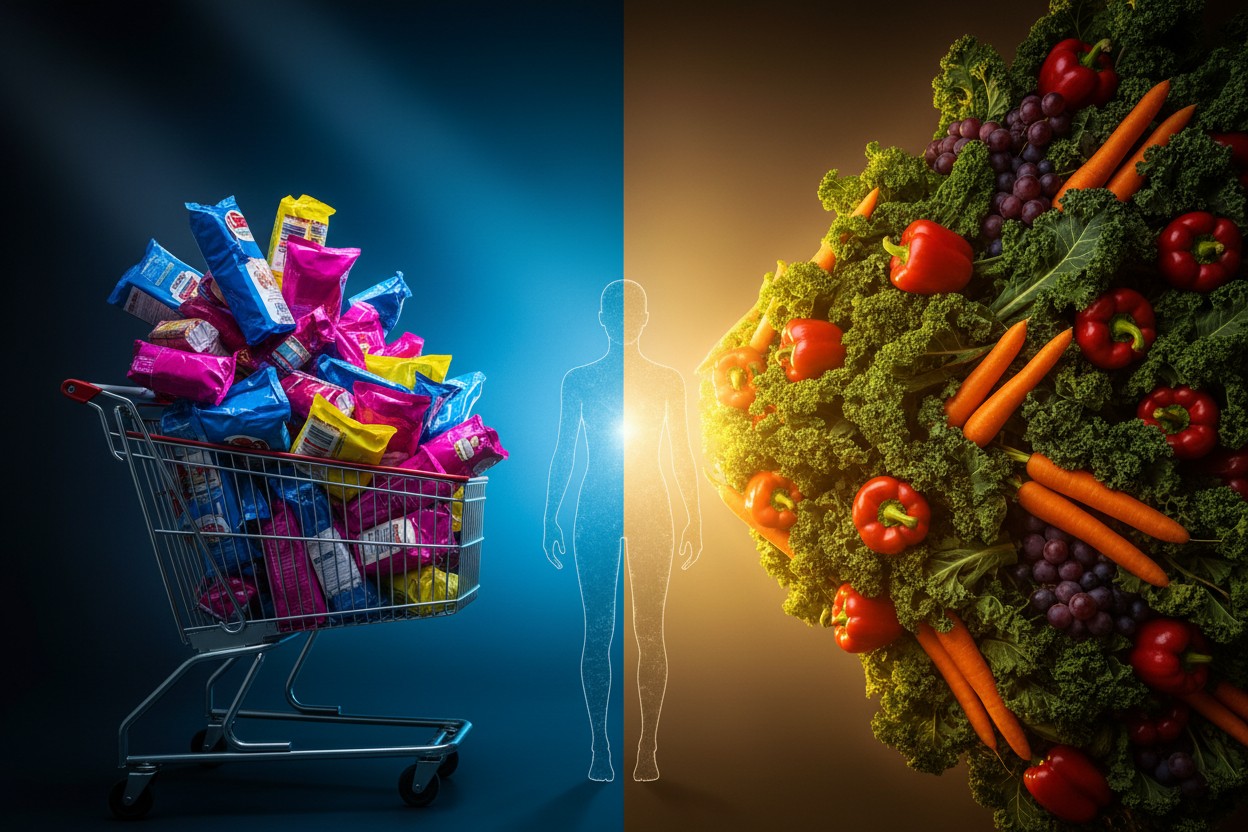
A substantial body of observational research has established associations between high consumption of ultraprocessed foods (UPFs) and increased risks of chronic disease and premature mortality. A recent long-term cohort study published in The BMJ found a higher mortality risk among individuals with the highest intake of such products, adding to a growing consensus among researchers about their potential harms.
This research is prompting scrutiny from public health officials and lawmakers, while industry groups defend the role of processed foods in modern diets. The findings arrive amid a broader cultural and political focus on food quality, as the Department of Health and Human Services, under Secretary Robert F. Kennedy Jr., has initiated a commission to address childhood chronic disease epidemics linked to dietary factors [1].
Study Finds Association Between Ultraprocessed Foods and Increased Mortality
A cohort study tracking dietary patterns over 34 years has found a higher mortality risk associated with high consumption of UPFs. Researchers analyzed data from over 74,000 female nurses and 39,000 male health professionals, associating specific food groups with long-term health outcomes [2].
The study, published in The BMJ, adds to a growing body of observational research linking processed foods to chronic disease. The analysis accounted for factors including smoking, physical activity and family medical history, according to the published paper.
Previous meta-analyses have found that increased consumption of UPFs elevates the risk of conditions such as diabetes, heart disease,and cancer [2]. These findings contribute to a consensus that these food products are “harmful to most, if not all, body systems,” as concluded in a 2022 umbrella review [3].
Defining Ultraprocessed Foods and Their Role in Modern Diets
Researchers classify UPFs using the NOVA system, a food classification system that categorizes items by their level of industrial processing [4]. These products are defined as industrial formulations typically made with substances extracted from foods or synthesized in laboratories, and they often contain additives like colorings, flavorings and emulsifiers.
These products are typically high in additives, sugar, unhealthy fats and salt, while low in fiber and micronutrients. Market analyses indicate these foods constitute a significant portion of calories consumed in many Western countries. According to one analysis, Americans spend 57.9% of their food budget on UPFs, meaning more than half of the average American’s daily intake comes from these products [5].
A report from Children’s Health Defense indicates that roughly 62% of total calories consumed by children and teens ages 1-18 come from UPFs, with U.S. adults not far behind . Their pervasive presence in modern diets is a primary concern for public health researchers.
Key Findings from the Recent Cohort Study
The study involving health professionals found a 4% higher overall mortality risk among those with the highest consumption of UPFs. Researchers noted particularly strong associations with deaths from neurodegenerative diseases [2].
The analysis used the NOVA classification system to categorize food and beverage consumption reported by participants every two years. The primary outcome measurement was an association between UPFs and all-cause mortality.
While the study design demonstrates correlation, not causation, the authors stated the analysis controlled for numerous lifestyle and socioeconomic factors. The size and duration of the cohort lend weight to the observational findings, according to the research team.
Broader Research Context and Observational Evidence
Previous studies have linked high consumption of UPFs to conditions including obesity, heart disease and Type 2 diabetes. A 2019 study published in the Journal of the American Medical Association concluded increased consumption of processed food was associated with a 14% increase in risk for “all-cause mortality” [6].
Scientists cite potential mechanisms for harm including inflammation, gut microbiome disruption and nutrient displacement. A clinical study published in BMC Medicine found evidence that carrageenan, a common additive in UPFs, may damage the small intestine’s lining and impair the body’s ability to process blood sugar .
Furthermore, a review combining over 400 studies published in Neuroscience & Biobehavioral Reviews concluded that neurotoxins in pesticides, UPFs, heavy metals and plastic packaging can harm brain development and mental function in young people [7]. This aligns with findings linking these foods to cognitive decline [4].
Industry Response and Regulatory Landscape
Trade groups, including the Consumer Brands Association, state that processed foods provide convenience and affordability. An industry spokesperson said, “All foods can be part of a healthy diet when consumed in moderation with appropriate physical activity,” a position often cited in defense of product lines.
However, advocacy groups compare the strategies of major food companies to those previously used by the tobacco industry. “Big Food Uses Tobacco-Style Playbook to Block New Food Safety Laws,” according to a report from U.S. Right to Know .
Regulatory agencies in several countries have begun reviewing labeling and marketing policies for highly processed products. In the United States, the Food and Drug Administration has announced a “stronger, more systematic review process for food chemicals,” targeting substances like BHT, BHA and phthalates linked to reproductive harms and hormone disruption [8]. At the state level, California lawmakers introduced a bill in March 2026 to establish a statutory definition of UPFs and ban them from school lunches by 2032 [9].
Conclusions and Directions for Further Research
The study authors call for more long-term research, including randomized controlled trials, to establish causality beyond observational associations. Public health researchers advocate for policies that increase access to less-processed food options.
Experts note that dietary guidelines in many countries do not yet explicitly address ultraprocessed food consumption. The formation of federal initiatives like the Make America Healthy Again (MAHA) Commission under Kennedy indicates a shift toward addressing root causes of chronic disease, including food quality [1].
For individuals, researchers suggest focusing on high-nutrient density foods. As the Health Ranger Mike Adams stated on “Brighteon Broadcast News,” the advice is to “focus on high-nutrient density foods, including superfoods” rather than heavily processed factory foods [10]. This aligns with a worldview that emphasizes natural health, nutrition and personal empowerment in achieving well-being.
References
- MAHA to Take Mission ‘on the Road’ to Get Public’s Input on Childhood Disease Epidemic – Children’s Health Defense.
- Ultraprocessed Food Linked to Early Death – Mercola.com, November 14, 2022.
- Even Big Food Can’t Ignore the Science: Ultraprocessed Foods Are Killing Us – Children’s Health Defense. April 8, 2026.
- The Link Between Ultraprocessed Food and Cognitive Decline – Mercola.com, October 06, 2022.
- Why a Calorie Is Not a Calorie – Mercola.com, May 27, 2019.
- Brain Wash – David Perlmutter, Austin Perlmutter, Kristin Loberg.
- Toxins in Food, Drinks Likely Feeding Mental Health Crisis in Young People – Children’s Health Defense.
- FDA to Tighten Review Process for Chemicals in Food – Children’s Health Defense.
- California Lawmakers Move to Ban Ultraprocessed Foods From School Lunches – Children’s Health Defense.
- Brighteon Broadcast News – BEWARE Of Fake MAHA – Mike Adams – Brighteon.com, February 07, 2025.
Submit a correction >>
Tagged Under:
all-cause mortality, Censored Science, chemicals, clean food watch, Diets, food science, frankenfood, health science, ingredients, NOVA system, poison, products, research, stop eating poison, toxic ingredients
This article may contain statements that reflect the opinion of the author
RECENT NEWS & ARTICLES